A dental implant crown procedure replaces a missing tooth with a strong, natural-looking restoration anchored to the jawbone. This guide explains what to expect from the first visit through final crown placement. It covers the parts of an implant, the step-by-step process, healing and aftercare, who makes a good candidate, risks, travel logistics for out-of-state patients, and how to get started.
What is a dental implant crown?
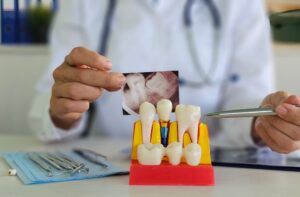
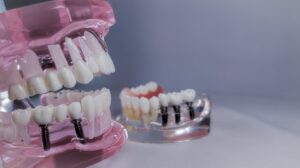
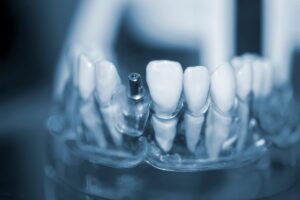
An implant system has three parts: the titanium implant (the “root”) surgically placed in the jaw, the abutment that connects the implant to the visible tooth, and the crown that looks and functions like a natural tooth. Implants replace both the tooth root and the tooth itself, which helps preserve bone and provides stable chewing function.
Step-by-step dental implant crown procedure
Consultation and treatment planning
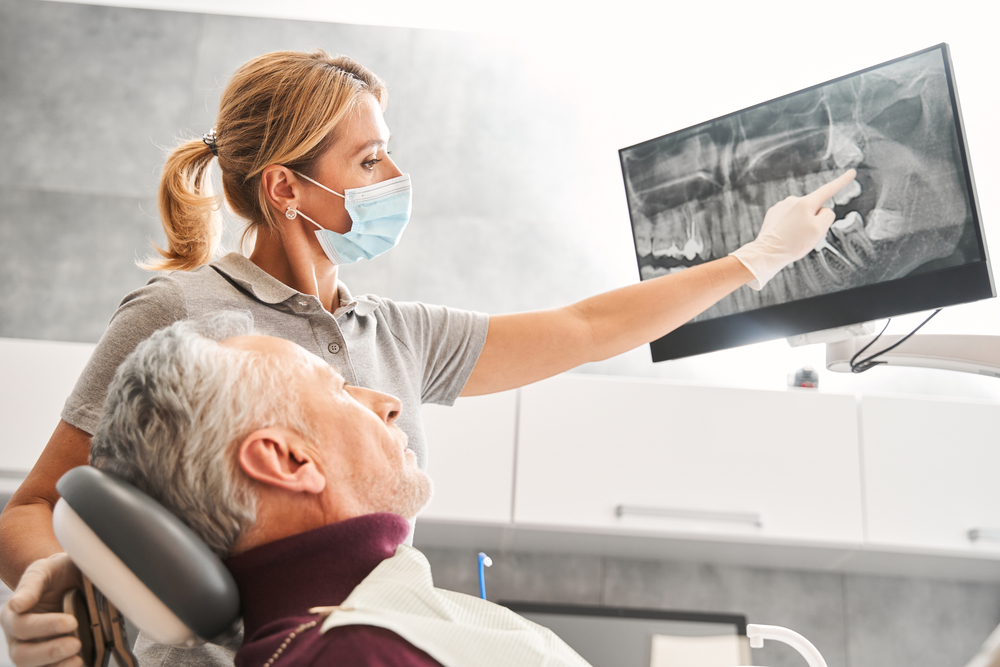
Your dentist will review your health history, exam the mouth, and take 3D CBCT scans to map bone, nerves, and sinuses. Planning includes choosing implant size, angle, and crown design to match your bite and smile.
Surgery: placing the implant
The implant appointment is done with local anesthesia and optional sedation. The surgeon exposes the bone, places the titanium post, and closes the site. A single implant placement often takes 30–90 minutes depending on complexity.
Healing and osseointegration
Bone needs time to bond to the implant—this is osseointegration. Expect a healing period of about 3–6 months. During this time you may have a temporary tooth or partial to use while the implant fuses with bone.
Abutment and crown placement
After healing, the abutment is attached and an impression or digital scan is taken for the final crown. The crown is tried in, adjusted for fit and bite, and then either cemented or attached with a screw. Final adjustments ensure comfort and proper chewing.
Digital options and same-day workflows
Digital impressions with intraoral and facial scanners, plus photogrammetry, speed design and improve fit. Some practices offer same-day provisional crowns or full digital All-on-X workflows for faster restorations.
Recovery and aftercare after a dental implant crown procedure
Immediate post-op care
Expect some swelling and mild pain for 48–72 hours. Use ice, take prescribed or over-the-counter pain meds, eat soft foods, and avoid smoking. Watch for fever, increasing pain, or heavy bleeding and contact your team if these occur.
Long-term care and maintenance
Brush and floss around the implant daily, visit your dentist for regular cleanings, and avoid chewing very hard items on the crown. With good care, implant crowns can last many years.
Who is a good candidate — and complex cases
Candidates need adequate bone, good general health, and controlled medical conditions. Smoking and uncontrolled diabetes can reduce success. For patients told they have “no bone,” advanced options like zygomatic, pterygoid, transsinus, and subperiosteal implants can be considered by specialists.
Risks, complications, and how they’re managed
Risks include infection, implant failure, and nerve or sinus issues. Early signs are persistent pain, swelling, or loosening. Treatment may involve antibiotics, minor surgery, or implant removal and replacement after healing.
Why choose a board-certified implant specialist for complex dental implant crown procedures
Board certification shows advanced training and experience. Dr. Michael Fioritto is one of about nine board-certified implant specialists in Ohio. He places implants for patients told they have no bone using zygomatic, pterygoid, transsinus, and subperiosteal approaches and uses full digital workflows for All-on-X. He also teaches local dentists and labs these techniques.
Travel, scheduling, and what to expect if you’re coming from out of state
Out-of-state patients can meet the surgeon a day before surgery and return home the day after. Postop checks are often handled by your referring dentist, with a final review months later.
How to get started
We offer free consultations and CT scans. Bring a list of medications and any dental records. Request a consult or CT scan to start planning your dental implant crown procedure and get a personalized treatment plan.