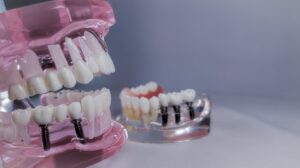

If you’re searching for a “dentist that takes Medicare in my area,” this post will help. You’ll learn how Medicare handles dental care, practical ways to find providers who work with your plan, affordable alternatives when Medicare won’t pay, and which dental needs are most common for Medicare patients. This guide will also explain when it may be beneficial to consult a board-certified implant specialist for complex cases.
How Medicare handles dental care
What Original Medicare (Parts A & B) covers
Original Medicare generally does not cover routine dental care, such as cleanings, fillings, crowns, or dentures. There are limited exceptions: if dental work is part of a covered hospital procedure or is needed for another covered medical service, Medicare Part A or B may pay. Expect routine exams and most restorative care to be out-of-pocket, unless another plan is in place.
Medicare Advantage and dental benefits
Many Medicare Advantage plans include dental benefits. Coverage varies widely—some plans cover just exams and cleanings, others add primary services. If you have Mediplan’s advantage, check your plan’s summary of benefits to see which services are covered and whether you must use in-network dentists.
How to find a dentist who takes Medicare in my area
Search tips: Medicare directory, plan provider lists, and Google
Start with the Medplan’s Plan Finder and your plan’s provider directory. Use your plan ID when searching to filter results. Try Google” with y “ur plan name plus “dentist” and read clinic reviews. Locstate’s search around your state’s health insurance assistance program can also point you to providers.
Verify in advance
Call the dental office before your visit. Ask if they accept your specific Medicare Advantage plan or if they bill Medicare directly. Confirm whether the office contracts with your plan and ask for estimated costs for the services you need. Get any answers in writing when possible.
Affordable alternatives if Medicare won’t cover the care
Community clinics, dental schools, and nonprofit programs
Community health centers and dental schools often offer care at reduced fees. Dental students work under the supervision of licensed faculty; costs are lower, but appointments may take longer to schedule. Nonprofit programs and local clinics sometimes offer sliding-scale fees based on income.
Financing and payment options
Many practices offer payment plans, short-term loans, or work with medical credit companies to help spread costs. Ask the dental office about in-house financing or third-party options before treatment so you can compare rates.
Dental needs are everyday for Medicare patients
When you need extra care: crowns, dentures, implants
Dentures and crowns are standard and often expensive; Medicare rarely covers them. Come out the longest depending on your plan. If you’ve been told you don’t have enough bone, there are specialist options that may still allow implant placement.
Emergency and follow-up care
For urgent pain or infection, seek care quickly—ER visits may be covered for related medical issues, but not routine dental repairs. After emergency treatment, follow up with a dentist to discuss permanent care and billing.
Why a board-certified implant specialist can matter for complex cases
For complex implant cases, consider a board-certified specialist. Dr. Michael Fioritto is one of roughly nine board-certified implant specialists in Ohio. He performs advanced procedures for patients who have been told they have no bone, using zygomatic, pterygoid, transmaxillary, and subperiosteal options. His practice utilizes facial scanners, intraoral scanners, and photogrammetry to achieve a fully digital workflow. He also offers free consultations and CT scans. Many out-of-state patients meet him the day before surgery and return home the day after, with their referring dentist handling follow-up on them later.
If you’re looking for an ENT specialist that takes Medicare in my area,” verify your benefits, write down questions, and call offices to confirm coverage. For complex implant needs, consider a free consultation and CT scan with a board-certified specialist to review options and costs before committing to treatment.