Maintaining your oral health is a cornerstone of overall well-being, and choosing the right toothbrush plays a vital role in that journey. Many patients ask, “Are electric toothbrushes better than manual options for fostering optimal oral health?” Whether you’re focusing on routine cleaning or addressing the needs associated with dental implants, understanding the differences is crucial.
Understanding Toothbrush Types
Manual toothbrushes are the traditional staple found in nearly every household. They are simple, cost-effective, and come in various bristle strengths to suit individual preferences. On the other hand, electric toothbrushes fall into multiple categories, from oscillating to ultrasonic, each offering unique mechanisms to enhance cleaning efficiency.
Are Electric Toothbrushes Better Than Manual?
When it comes to removing plaque, studies suggest that electric toothbrushes may outperform their manual counterparts. However, user experience varies; while some find the automatic motion easy and effective, others prefer the tried-and-true familiarity of a manual brush.
Electric Toothbrush Advantages
The biggest advantage of electric toothbrushes lies in their superior plaque removal. Their automatic bristle movement is especially beneficial for those with limited manual dexterity, such as arthritis sufferers, making effective dental care more accessible.
Considerations for Dental Implant Patients
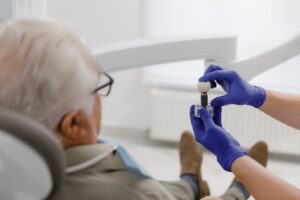
Patients with dental implants have unique maintenance needs to ensure the longevity and health of their implants. Electric toothbrushes provide a gentle yet effective cleaning, reducing the risk of implant damage and promoting gum health.
Cost Implications
While electric toothbrushes generally have a higher upfront cost, many find the investment worthwhile given the potential for improved oral hygiene. Consider the long-term benefits versus the cost, which includes brush head replacements and potential battery changes.
Clinical Insights from Dr. Fioritto
At Dr. Fioritto’s practice, the focus is on leveraging the latest technology to provide patients with comprehensive care. Electric toothbrushes complemented by professional cleanings ensure a holistic approach to dental health.
Real Patient Stories
Many patients who transitioned from manual to electric toothbrushes report improved satisfaction and cleaner-feeling teeth, particularly when blending routine brushing with professional advice available at Dr. Fioritto’s practice.
Frequently Asked Questions
-
How do electric toothbrushes help with implants? Electric toothbrushes are designed to clean effectively while being gentle around sensitive implant areas.
-
What is the best toothbrush for sensitive teeth? Soft-bristled electric toothbrush heads can be beneficial for individuals with sensitive teeth.
-
Do electric toothbrushes damage teeth? When used correctly, electric toothbrushes are safe and can improve dental health.
-
How often should I replace my toothbrush head? It’s recommended to replace the brush head every three months or sooner if signs of wear appear.
Conclusion
In summary, both electric and manual toothbrushes have their place in dental health. Evaluating your specific needs and preferences, along with seeking professional advice, will lead to the best choice for your oral care routine.
Call to Action
For personalized dental care recommendations, visit Fioritto, Michael in Concord and Mentor, OH. Our team, led by Dr. Michael Fioritto, is eager to assist you in achieving optimal dental health. Schedule your consultation today to explore the best options for your unique implant and oral hygiene needs.