The dental implant process can feel overwhelming, but it follows clear steps from your first consult to the final restoration. This post walks you through each stage so you know what to expect, how long healing takes, and which choices affect timing and cost. Read on to learn the dental implant process and how care is planned for each patient.
How dental implants work
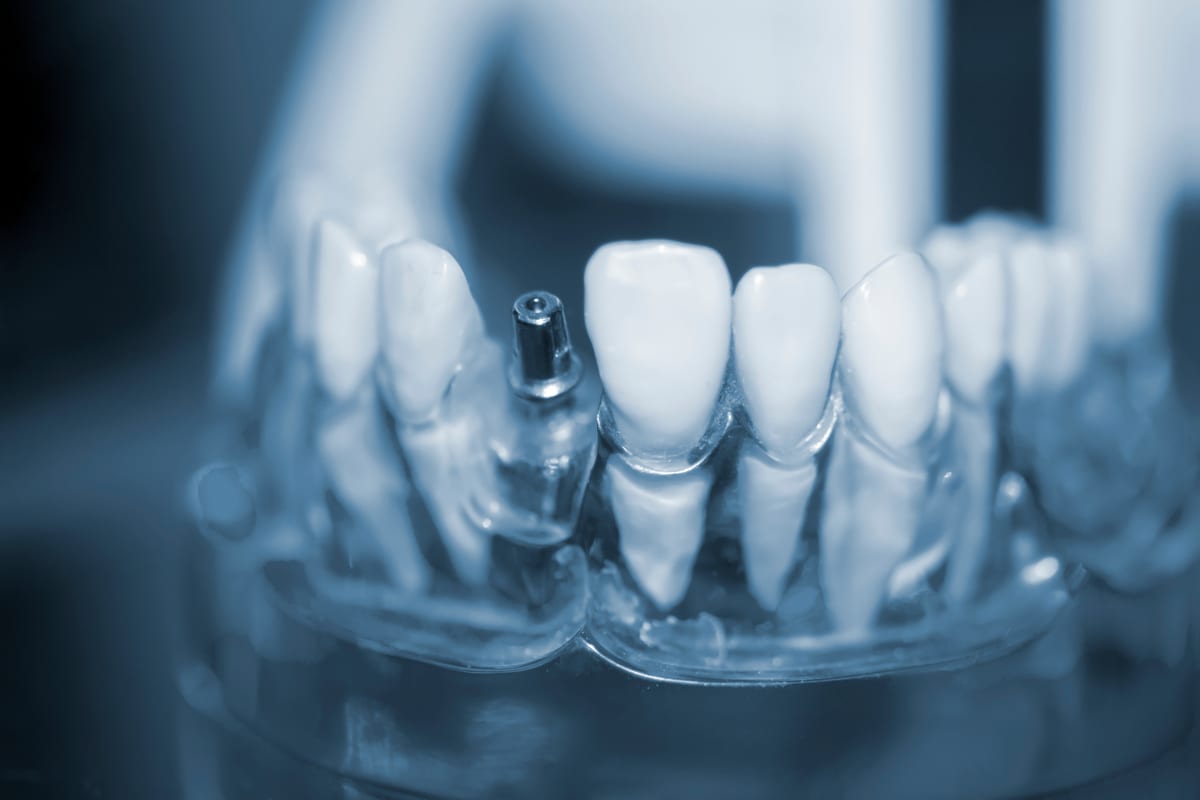
Dental implants are titanium posts that act like tooth roots. An abutment connects the implant to a crown, bridge, or denture. Because implants fuse to bone (osseointegration), they provide stable, long-term function and look much like natural teeth. Common terms to know: implant (root), abutment (connector), and crown (visible tooth).
Step-by-step dental implant process
Initial consult and imaging
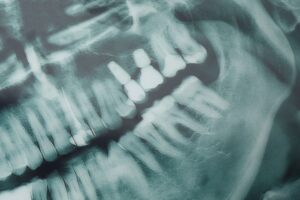
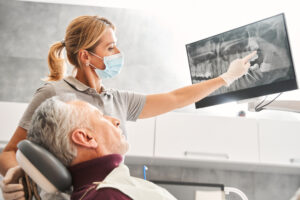
Your first visit includes an exam, goal discussion, and a review of medical history. Many practices offer a free consultation and CT scan to map bone and nerves. Clear 3D imaging guides safe placement and lets the team explain options for your specific case.
Digital planning and impressions
Intraoral scanners, facial scanners, and photogrammetry create precise digital models. Digital planning helps place implants optimally and speeds lab work, often producing better-fitting temporaries and final restorations with fewer adjustments.
Surgery: placing the implant
On surgery day you’ll get anesthesia. The implant is placed into the bone and a temporary crown or denture may be attached. For full-arch cases like All-on-X, immediate temporaries are possible. Many patients travel for care and meet the surgeon the day before, have surgery, and return home the next day. This dental implant process in Ohio is set up to accommodate out-of-state patients smoothly.
Healing and osseointegration
Bone usually bonds to the implant over 3–6 months. Expect mild swelling and soft-food diets at first. Proper healing shows decreasing pain, no spreading redness, and stable gums. Report persistent pain, fever, or unusual drainage right away.
Abutment and final restoration
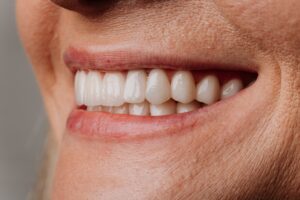
After healing, the abutment is attached and impressions (often digital) are taken for the final crown, bridge, or denture. The digital workflow allows precise fit and color matching for natural results.
Post-op care and follow-up
Routine checks ensure healthy tissues and proper function. Many surgeons coordinate postop care with referring dentists who handle interim visits. A final check is common months after the restoration to confirm stability.
Who is a candidate for implants
Good candidates are in generally good health, have controlled medical conditions, healthy gums, and enough bone volume. Even patients told they have “no bone” may qualify because advanced options exist. Talk to your surgeon to learn if the dental implant process in Ohio or elsewhere can be adapted for you.
Advanced options when bone is limited
For severe bone loss, zygomatic, pterygoid, transsinus, and subperiosteal implants can anchor restorations where standard implants won’t. These are specialty techniques used when grafting isn’t ideal.
Factors that can lengthen the dental implant process
Bone grafts, sinus lifts, smoking, and uncontrolled health issues (like diabetes) add time. Thorough digital planning reduces surprises and can shorten appointments.
Timeline and what to expect
Single-tooth cases often finish in 3–6 months. Full-arch immediate-load cases can provide same-day temporaries but still need months for final restorations. Recovery milestones include initial healing (1–2 weeks), osseointegration (3–6 months), then final prosthetic placement.
Costs, insurance, and financing basics
Costs vary by number of implants, grafting needs, and materials. Many insurances limit implant coverage; ask about financing plans, medical loans, and payment options to make treatment manageable.
Why choose a board-certified implant specialist for complex cases
Dr. Michael Fioritto is one of about nine board-certified implant specialists in Ohio. He’s trained in advanced techniques, teaches local clinicians, and uses full digital workflows for All-on-X and complex reconstructions. That expertise matters when treating severe bone loss or using zygomatic and pterygoid solutions.
To learn your personalized dental implant process in Ohio, schedule a free consultation and CT scan. The practice coordinates care with referring dentists, accommodates out-of-state patients, and will outline timelines, costs, and financing so you can make an informed decision.