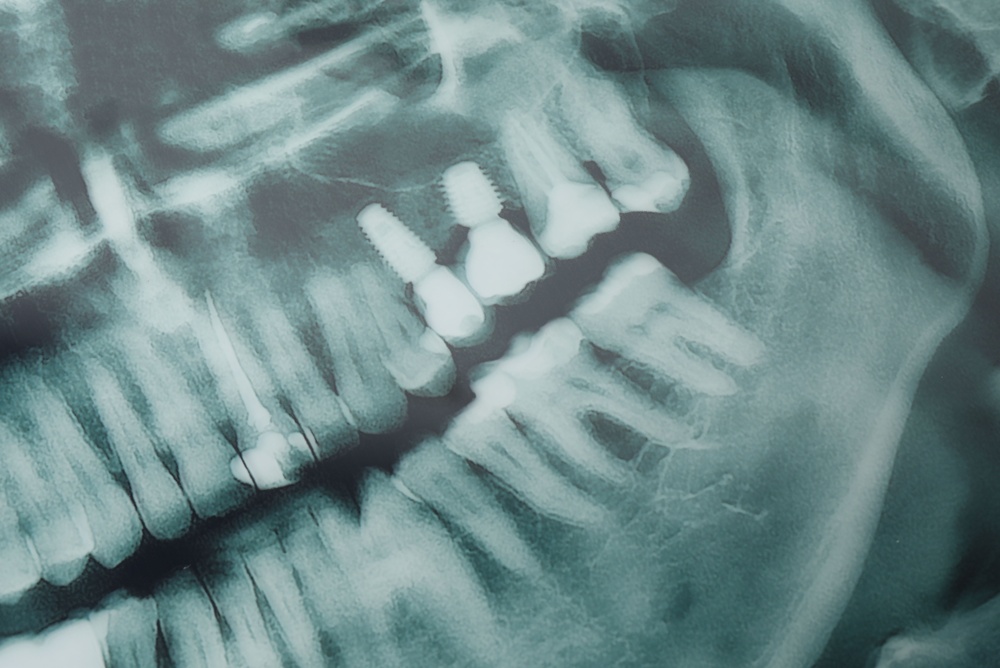
If you’ve ever held an implant report or X-ray and wondered “what is this implant,” this post will answer that question simply. You’ll learn the common implant types, how implants work, who makes a good candidate, what to expect during treatment, and options if you’ve been told you have “no bone.” Read on for clear, practical information to help you move forward.
Common Types Of Dental Implants
Endosteal (root-form) implants
These are the most common implants. A titanium screw is placed into the jawbone to act like a tooth root. After healing, an abutment and crown attach to the implant. Used for single teeth, bridges, or to support full-arch prostheses.
Subperiosteal implants
Placed on top of the jawbone but under the gum when there isn’t enough bone height for endosteal implants. A metal framework sits on the bone and posts extend through the gum to hold teeth.
Zygomatic, pterygoid, and transsinus implants — when standard implants aren’t possible
These are longer implants that anchor in denser facial bones (cheekbone or other areas) when the upper jaw has severe bone loss. They avoid extensive bone grafting and let patients get fixed teeth when standard implants won’t work.
How Dental Implants Work
Implants rely on osseointegration — the bone grows tightly around the implant’s surface. Main parts: the implant (root), the abutment (connector), and the crown/bridge/prosthesis (the visible tooth). Typical timeline: consult and scans, implant placement, healing (often 3–6 months), then placement of the final restoration.
Who Is A Good Candidate?
Good bone volume and healthy gums help, but many conditions can be managed. Active gum disease should be treated first. Smoking and uncontrolled medical issues (like uncontrolled diabetes) can raise risks. Age alone is not a barrier. People often ask “what is this implant in Ohio” when they’ve lost teeth, have failed dentures, or show long-term bone loss — these are common reasons to consider implants.
What To Expect During Treatment
Consultation and planning
Expect a detailed exam with CT scans and digital planning to map bone and nerves. This helps pick the right implant type and placement angle.
Surgery day and recovery
Surgery usually takes one appointment for an implant or a few hours for multiple implants. Local anesthesia, and sometimes sedation, is used. Mild swelling and soreness for a few days are normal. Pain is managed with common meds and follow-up checks.
Restoration and follow-up
After healing, the abutment and final crown or prosthesis are placed. Full-arch cases may have temporary teeth same day and final restorations months later. Regular dental visits keep implants healthy.
Risks, Benefits, And Success Rates
Benefits: improved chewing, speech, and aesthetics; preserves jawbone. Risks: infection, implant failure, or nerve issues in rare cases. Success rates are high—often above 90–95%—and improve with good oral care and experienced surgical planning.
Advanced Solutions When You’ve Been Told “No Bone”
Alternatives to long grafts include zygomatic, pterygoid, transsinus, and subperiosteal implants depending on anatomy. Digital tools—facial scanners, intraoral scanners, and photogrammetry—help plan and design precise, comfortable prostheses for complex cases.
Why See A Board-Certified Implant Specialist For Complex Cases
Board-certified specialists have extra training and experience handling difficult anatomy and advanced implants. Dr. Michael Fioritto is one of about nine board-certified implant specialists in Ohio and places advanced implants for patients told they had “no bone.” Specialists often use full digital workflows and teach local dentists and labs these techniques, and they coordinate care with referring dentists for smooth postop follow-up.
How To Get Started — Free Consultation And CT Scan
We offer a free consultation and CT scan to review your case and options. Out-of-state patients typically meet the specialist the day before surgery, return home the day after, and see their referring dentist for postop checks, with the final check scheduled months later. Call or book online to schedule your free consult and CT scan.