This guide explains what to expect from dental implants and how the team helps people get predictable results. If you’re researching dental implants cleveland oh, you’ll learn who’s a candidate, advanced options for low bone, the digital workflow, typical timelines and recovery, cost factors, and how to schedule a free consult with a CT scan.
What Are Dental Implants?
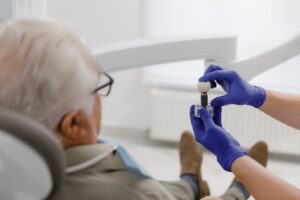
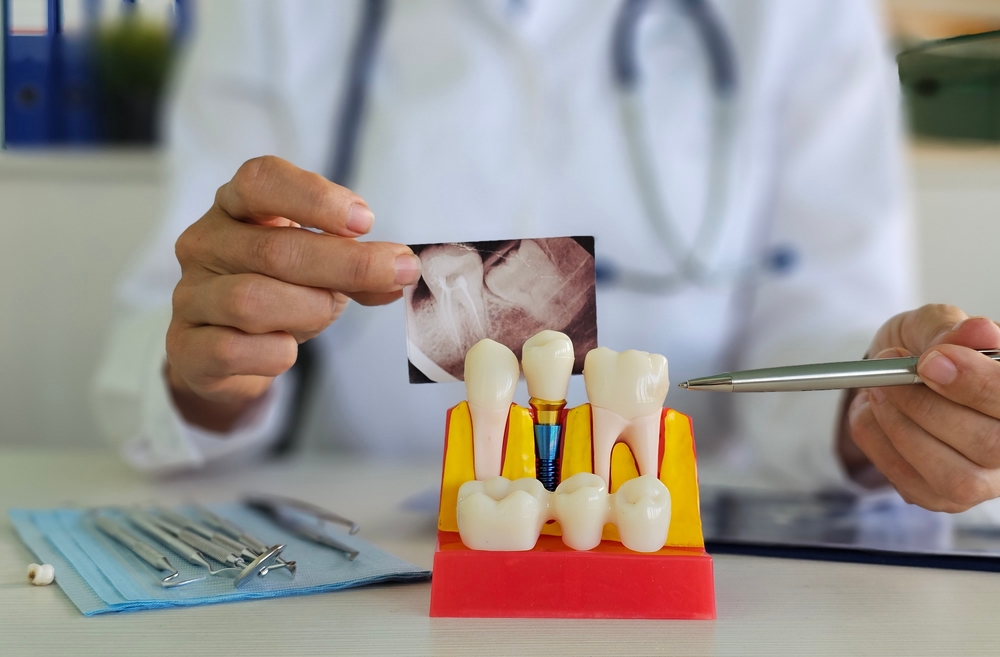
Dental implants are titanium posts placed into the jaw to replace tooth roots. They anchor crowns, bridges, or full-arch prosthetics so teeth feel stable and natural. Unlike removable dentures, implants preserve bone by transferring chewing forces to the jaw, improving chewing, speech, and long-term facial support.
Who Is a Candidate for dental implants Cleveland OH
Adults with missing teeth
Most healthy adults who are missing one or more teeth can be candidates. Implants work for single-tooth replacements, multiple teeth with implant-supported bridges, or full-arch restorations when many teeth are lost.
Patients with bone loss
Bone loss makes implant placement harder but doesn’t always rule you out. Common solutions include bone grafting, ridge augmentation, or using specialized implant types that require less native bone. A CT scan helps the team determine what’s needed.
Advanced solutions when you’ve been told “no bone”
Zygomatic, pterygoid, transsinus, and subperiosteal implants
Zygomatic implants anchor in the cheekbone when upper jaw bone is minimal. Pterygoid implants gain support farther back in the skull. Transsinus routes implants to avoid sinus issues. Subperiosteal implants sit on top of the bone under the gum for extreme loss. Each option suits different patterns of severe bone loss.
All-on-X and full-arch strategies
All-on-X uses a small number of implants to support a full-arch prosthesis, often on the day of surgery. It’s a predictable option for people wanting fast function and esthetics when enough anchorage can be achieved.
The digital implant process: faster, more accurate care
Facial scanners, intraoral scanners, and photogrammetry let doctors plan precisely and design prosthetics digitally. A digital workflow reduces lab guesswork, shortens appointments, and can enable same-day temporary teeth. The result is a better fit and more predictable surgery.
Timeline, recovery, and travel-friendly care
Typical steps: consult with exam and CT scan, digital planning, surgery to place implants, temporary prosthesis if indicated, then final restoration after healing (often 3–6 months). Many out-of-state patients meet the surgeon the day before, have surgery the next day, return home, and complete local follow-ups with their referring dentist until the final visit.
Cost factors and financing basics
Price depends on number of implants, need for grafting or sinus lifts, type of prosthesis, and digital/lab fees. Insurance may cover part but often limits coverage. Clinics typically offer financing plans, third-party credit, and in-office options to spread cost.
Questions to ask your implant team in Cleveland, OH
Ask about board certification and surgical training, experience with advanced implants (zygomatic, pterygoid, transsinus, subperiosteal), the digital workflow, success rates, follow-up care, and whether a CT scan and consult are included.
Why choose a board-certified implant specialist
A board-certified specialist brings advanced training for complex cases and offers a wider range of solutions when standard implants aren’t possible. Dr. Michael Fioritto is one of roughly nine board-certified implant specialists in Ohio, teaches local dentists, and places advanced implants including zygomatic and pterygoid types. He’s experienced with digital All-on-X workflows.
How to get started with dental implants Cleveland, OH
Free consultations and CT scans are available. To schedule, call or request an appointment online. Bring a list of medications, medical/dental history, and any recent X-rays. At the consult you’ll get a clear plan, cost estimate, and next steps to move forward.